
Key Takeaways
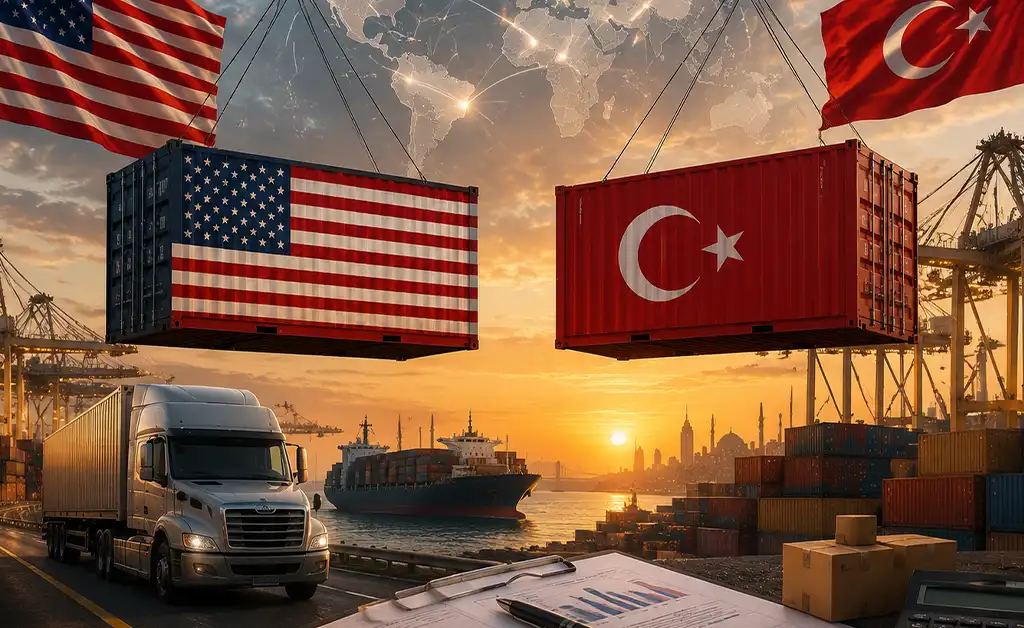
- US tariffs on Turkish goods rose on July 24, 2026, when most Turkish goods began facing an additional 12.5% US tariff under Section 301 after USTR’s forced labor investigations.
- Türkiye got the higher rate because it had not adopted a qualifying forced labor import ban or made a commitment to the US.
- Exempt categories include oil and gas, fertilizer, aircraft and parts, critical minerals, some food and goods under Section 232.
- Turkish primary steel faces a 50% Section 232 tariff, and many steel-containing derivatives face 25%.
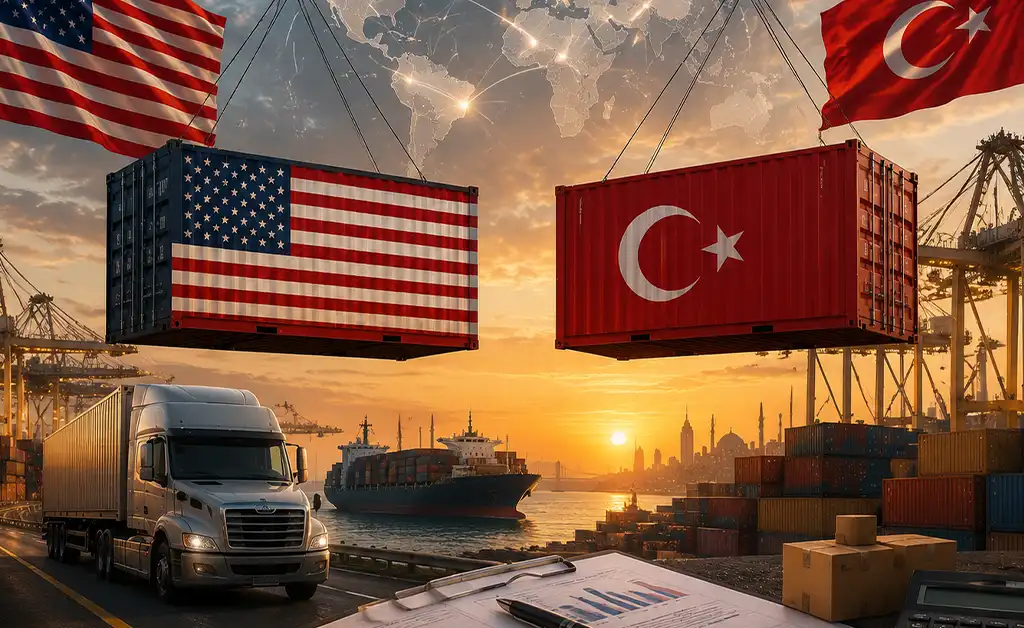
Since July 24, 2026, most goods from Türkiye (Turkey) entering the United States carry an additional 12.5% tariff under Section 301 of the Trade Act of 1974. The duty came out of the Office of the US Trade Representative’s forced labor investigations and replaced a temporary 10% global tariff that expired the same day, Turkish Minute reported.
In This Article
Türkiye received the higher of the two rates because USTR found it had neither adopted a qualifying ban on imports made with forced labor nor made a commitment to Washington to do so. The additional duty generally applies on top of ordinary US customs duties.
Which Turkish Goods Are Covered by the 12.5% Tariff?
The tariff covers most Turkish products, but several categories are exempt: oil and gas, fertilizer, aircraft and parts, critical minerals, some food products and goods already subject to national security tariffs, such as steel, aluminum, copper and automobiles. Goods already in transit could avoid the charge if entered for consumption before July 28, 2026.
The stakes are significant. The United States imported $16.4 billion in goods from Türkiye in 2025, and bilateral goods trade totaled $36.8 billion, according to Turkish Minute.
What Tariff Applies to Turkish Steel?
Turkish steel is not covered by the forced labor tariff because it already falls under Section 232 national security tariffs. Under the revised Section 232 system, primary steel and aluminum products made entirely or almost entirely of the covered metals face a 50% tariff, and many derivative products containing substantial steel, aluminum or copper face 25%, SteelOrbis reported in June 2026. Duties now apply to the full customs value of covered products.
US Tariffs on Turkish Goods at a Glance
| Measure | Rate | Applies To |
|---|---|---|
| Section 301 forced labor tariff (from July 24, 2026) | 12.5% on top of MFN duty | Most Turkish products, with exemptions |
| Section 232, primary metals | 50% | Steel and aluminum products made entirely or almost entirely of the metal |
| Section 232, derivatives | 25% | Many products with substantial steel, aluminum or copper content |
| Exempt from Section 301 | 0% additional | Oil and gas, fertilizer, aircraft and parts, critical minerals, some food, Section 232 goods |
How Should US Importers Respond?
- Confirm the HTS classification of each Turkish product and whether it falls in an exempt category or under Section 232 instead of Section 301.
- Recalculate landed costs, since the 12.5% duty generally stacks on top of the regular MFN rate.
- Review contracts and pricing terms with Turkish suppliers to decide how the added cost is shared.
- If considering suppliers in other Turkic countries, check each country’s status under the same Section 301 action, since rates vary by country, and run full due diligence before switching.
Tariff rules are changing quickly and are being challenged in court. Importers should confirm current rates with a licensed customs broker. This article is for information only and is not legal or customs advice.
What This Means for Turkish American and Turkic Businesses
Turkish American importers, distributors and retailers that buy textiles, home goods, food and industrial parts from Türkiye should rework landed costs now and check whether any product lines fall into exempt categories. The added 12.5% can often be shared through renegotiated pricing rather than absorbed in full.
Turkish exporters selling to the US may gain from working with US-based partners on classification, compliance and documentation, while businesses across the Turkic world should watch for any change in Türkiye’s status if it adopts a forced labor import ban.
Frequently Asked Questions
What is the 12.5% US tariff on Turkish goods?
It is an additional Section 301 duty that took effect on July 24, 2026, after USTR forced labor investigations. Türkiye was placed in the 12.5% tier because it had not adopted a qualifying ban on imports made with forced labor or committed to do so.
Which Turkish imports are exempt from the forced labor tariff?
Exemptions include oil and gas, fertilizer, aircraft and parts, critical minerals, some food products and goods already subject to national security tariffs such as steel, aluminum, copper and automobiles.
What is the US tariff on Turkish steel in 2026?
Turkish steel falls under Section 232 rather than the forced labor tariff. Primary steel and aluminum products face a 50% tariff, and many derivative products containing substantial metal face 25%, on full customs value.
Sources
- Turkish Minute, US Imposes 12.5 Percent Tariff on Turkish Goods Under Forced-Labor Trade Action, July 24, 2026. Accessed November 16, 2026.
- SteelOrbis, US Adjusts Section 232 Tariffs on Steel Imports, June 2, 2026. Accessed November 16, 2026.
Related Coverage
- Before You Place the Next Order: The Türkiye Duty Stack — and Where the Rest of the Turkic World Now Sits
- Turkey Becomes a Top Buyer of U.S. Crude: What the Energy Realignment Means for Trade
- Turkish Airlines Orders Up to 225 Boeing Jets, a Major Win for American Manufacturing
About the American-Turkic Republics Business Alliance (ATBA)
The American-Turkic Republics Business Alliance (ATBA) is a New York-based nonprofit platform that strengthens trade, investment and business collaboration between the United States and the Turkic republics: Türkiye, Azerbaijan, Kazakhstan, Uzbekistan, Kyrgyzstan and Turkmenistan. Companies and professionals can join the network through ATBA membership.
