
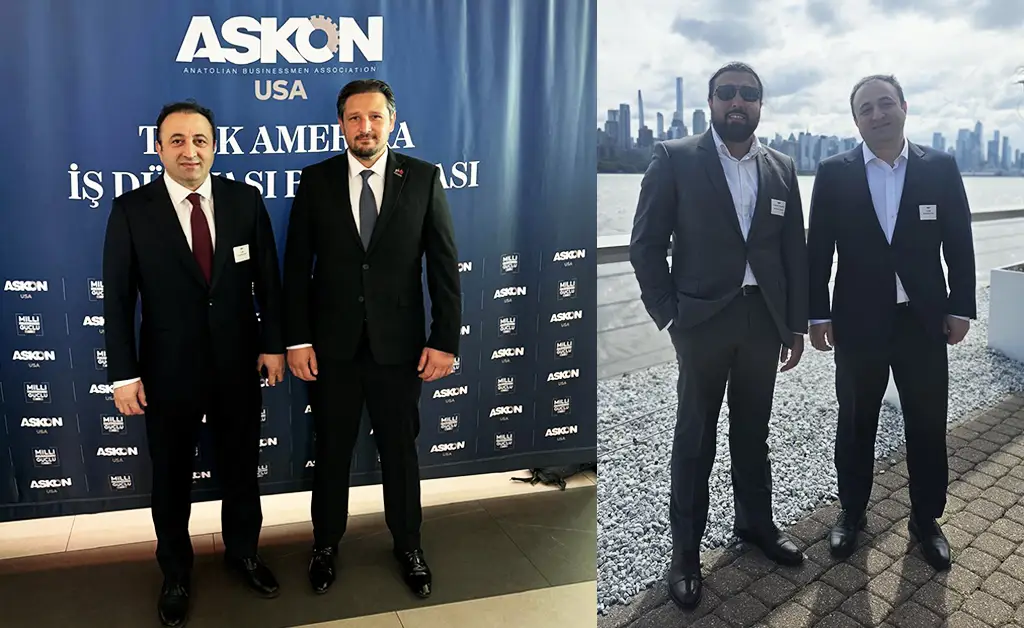
A room assembled during UNGA week
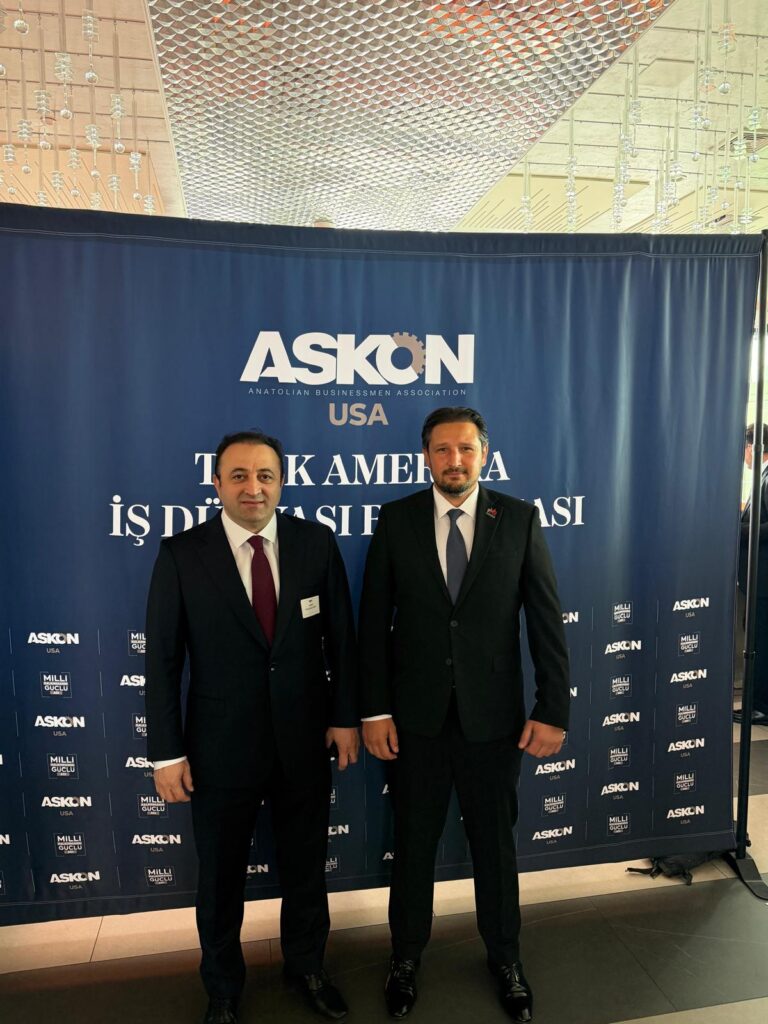
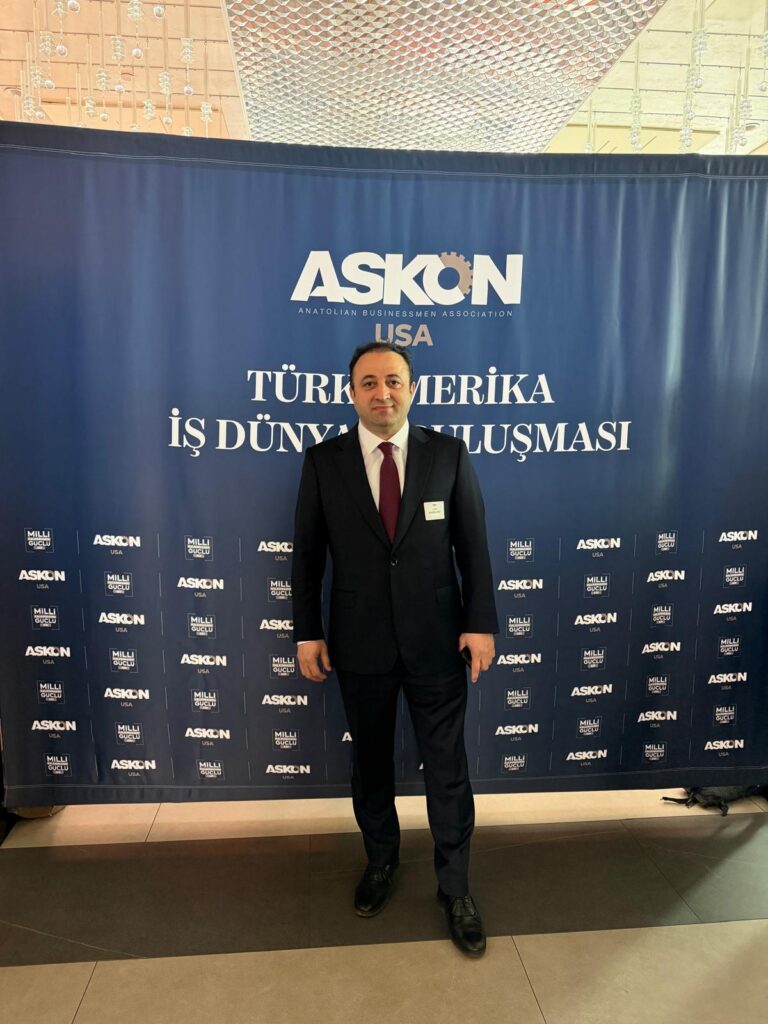
The fourth Turkish-American Business Meeting, hosted by ASKON — the Anatolian Businessmen Association — brought Turkish government figures and Turkish-American entrepreneurs together in New York in late September, timed to coincide with the United Nations General Assembly.
Trade Minister Ömer Bolat attended alongside Industry and Technology Minister Mehmet Fatih Kacır, Binali Yıldırım in his capacity as chair of the Organisation of Turkic States’ Council of Elders, and members of the Turkish parliament. On the other side of the room were business owners drawn from across a wide range of American states — the diaspora commercial network that has grown up around Turkish manufacturing, distribution and services in the United States over the past two decades.
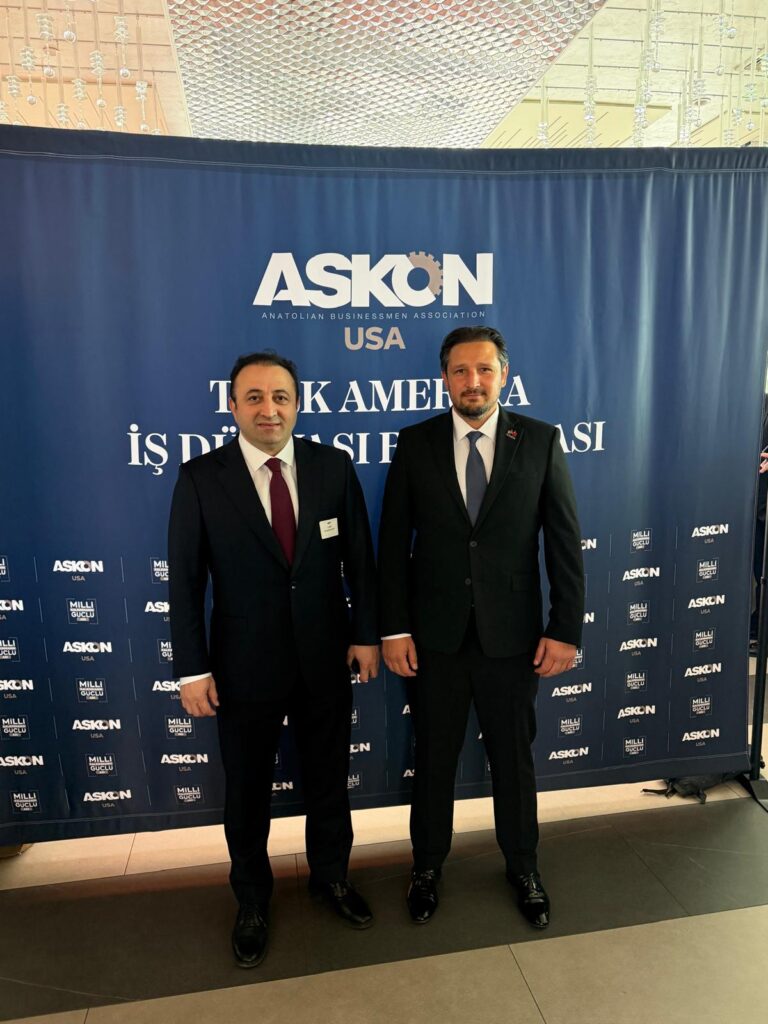
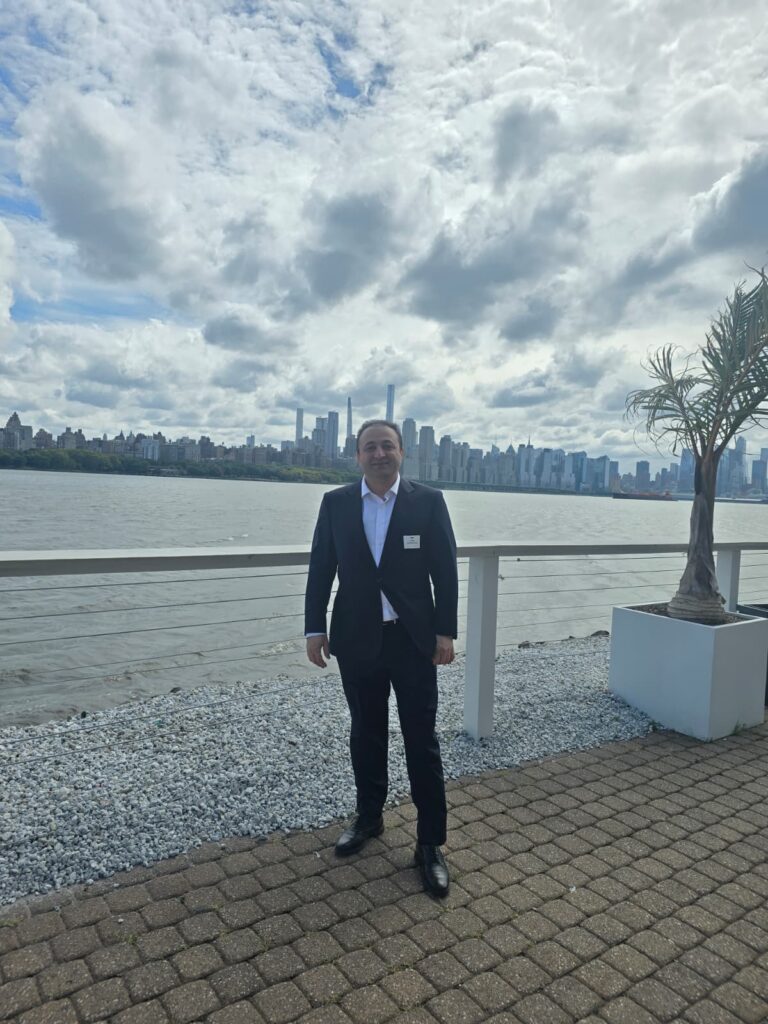
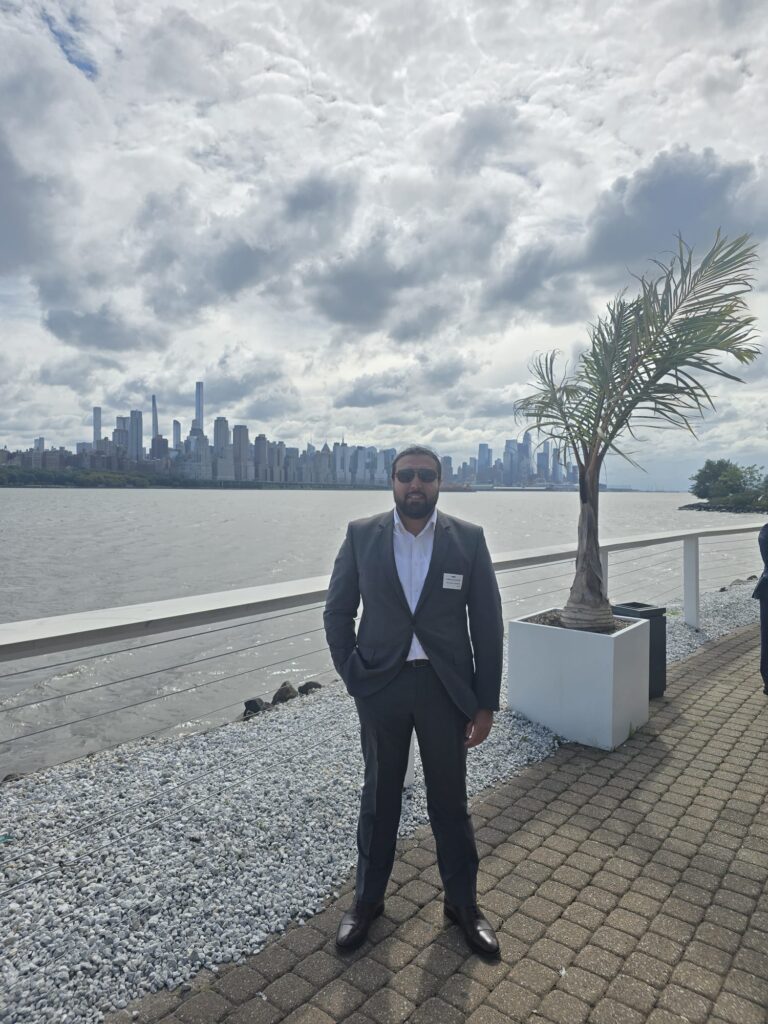
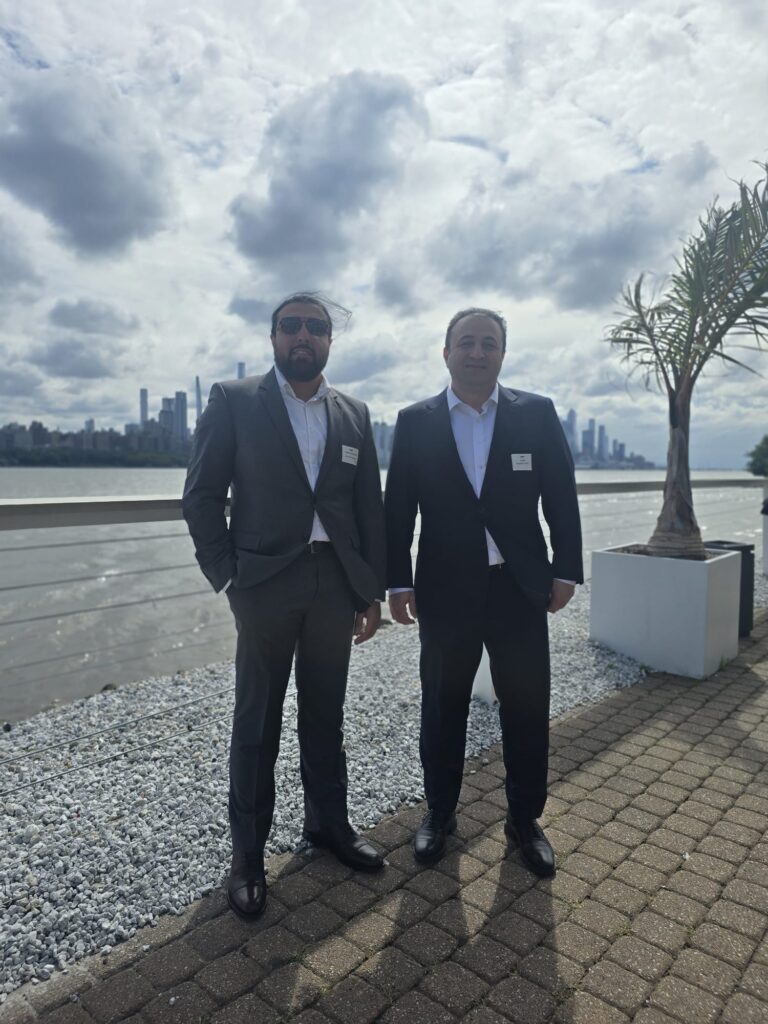
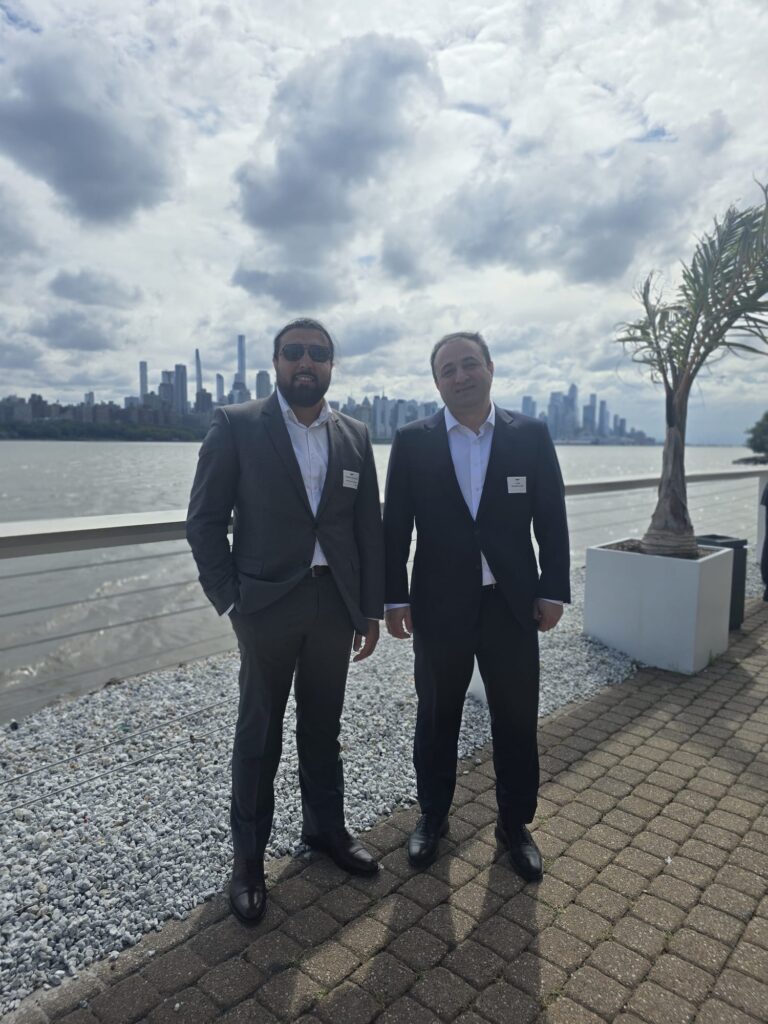
ATBA representatives attended the programme, which combined a formal session with a networking dinner on the New Jersey waterfront opposite the Manhattan skyline.
The numbers the minister brought with him
Bolat used the occasion to set out where the bilateral relationship currently stands. He put Türkiye–US trade volume at $38.6 billion in 2025 and described the objective as moving that figure substantially higher through deeper partnerships and reciprocal investment.
He also pointed to the domestic backdrop: growth of 2.5 per cent in the first half of the year, and record goods exports of $280.3 billion over the preceding twelve months. His pitch to the room was framed around Türkiye’s production capacity, logistics infrastructure and geographic position as a proposition for global investors.
Why the diaspora network is the substance, not the setting
The commercial bridge between Türkiye and the United States is not built primarily by state-to-state agreements. It is built by importers who know which American distributors will take a Turkish product line, by manufacturers who have learned which certifications a US buyer will insist on, and by service firms that have navigated the licensing and compliance requirements in a specific state. That knowledge is held by individuals and transferred in conversation.
Bolat acknowledged as much in thanking ASKON’s president, Orhan Aydın, and the organisation’s board, describing its members as representing Turkish products, brands and investment opportunities in the American market. It is a recognition that the association network performs a function the trade ministry cannot perform directly.
The unresolved file in the background
The meeting took place against a commercial relationship that currently carries an unresolved tariff question. Since 24 July, a 12.5 per cent duty has applied to Turkish goods under Section 301 of the US Trade Act, on the basis of an assessment that Türkiye does not prohibit the import of goods produced with forced labour.
The exclusions are extensive — oil and gas, fertilisers, aircraft and aircraft parts, critical minerals, and goods already covered by national security tariffs including automotive, steel, aluminium and copper all sit outside the measure. What remains exposed is the broad middle of Turkish export capacity: textiles, home goods, processed foods, furniture and machinery components.
That distribution matters for exactly the constituency ASKON represents. Many of its members operate precisely in those affected categories, where a 12.5 per cent duty is enough to change a margin conversation with an American buyer. Business meetings of this type are where such practical exposure gets communicated upwards to ministers with more precision than aggregate trade statistics allow.
The corridor dimension
Yıldırım’s presence in his Organisation of Turkic States capacity points to a dimension of the relationship that receives less attention in bilateral coverage but sits close to ATBA’s own agenda.
Türkiye’s commercial position is increasingly defined not only by its own market but by its role at the western end of the Middle Corridor — the trans-Caspian route linking Central Asia to Europe. As American interest in Central Asian critical minerals, energy and logistics deepens, Turkish ports, rail links and logistics operators become more central to US commercial interests rather than less.
What to watch
Three developments will determine whether meetings of this kind translate into measurable outcomes: any movement on the Section 301 measure, which would immediately affect a substantial share of ASKON members’ businesses; whether the trade volume ambition acquires a negotiating framework rather than remaining a stated target; and whether diaspora business networks are formally incorporated into bilateral commercial mechanisms rather than consulted at annual events.
For ATBA members with interests spanning Türkiye, the United States and the wider corridor, the New York gathering was a useful mapping exercise — a clear view of which files are moving, which are stalled, and where the practical entry points remain open.
