
Key Takeaways
- US-Uzbekistan trade in goods totaled an estimated $1.0 billion in 2025, according to USTR.
- US goods exports to Uzbekistan rose 24.5 percent to $474.1 million in 2025.
- The US goods balance moved from a $338.3 million surplus in 2024 to a $100.8 million deficit in 2025.
- In June 2026, the two countries announced an early harvest on trade and faster talks on a reciprocal trade agreement.
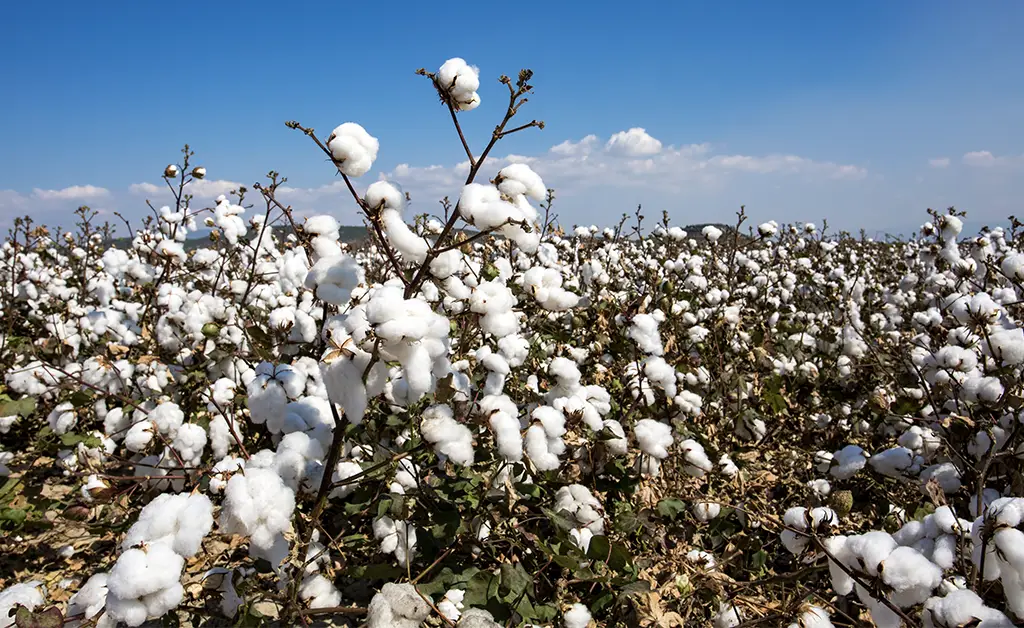
Update, November 2026: figures in this article have been revised to match official US data. US goods trade with Uzbekistan totaled an estimated $1.0 billion in 2025, according to the Office of the US Trade Representative (USTR). US goods exports to Uzbekistan reached $474.1 million, up 24.5 percent from 2024, while US goods imports from Uzbekistan rose to $574.9 million. American companies continue to look at Uzbekistan’s agriculture, textile and renewable energy sectors.
In This Article
How Large Is US-Uzbekistan Trade?
The balance shifted sharply. The United States ran a goods trade surplus of $338.3 million with Uzbekistan in 2024 and a goods trade deficit of $100.8 million in 2025, USTR data show. In services, the United States moved from a $44 million deficit in 2024 to a surplus in 2025.
In June 2026, the two governments announced an early harvest on trade and moved to accelerate talks on an Agreement on Reciprocal Trade and Investment, USTR said.
What Is the Outlook for US-Uzbekistan Trade?
Uzbekistan’s reforms, including regulatory changes, privatization and its push toward World Trade Organization membership, are expected to shape how quickly trade and investment grow. US interest is concentrated in agricultural technology, energy and infrastructure.
Growing US-Uzbekistan trade could also support regional trade integration, linking Uzbekistan with neighboring Turkic republics and with US markets.
US goods trade with Uzbekistan
| Indicator | 2024 | 2025 |
|---|---|---|
| US goods exports | $380.7 million (derived) | $474.1 million |
| US goods imports | $42.5 million (derived) | $574.9 million |
| US goods balance | $338.3 million surplus | $100.8 million deficit |
What This Means for Turkish American and Turkic Businesses
For US exporters of farm machinery, energy equipment and aviation products, Uzbekistan is a growing market, and a reciprocal trade agreement could lower barriers further. Exporters should follow USTR and Uzbek tariff announcements closely.
Uzbek American and other Turkic American entrepreneurs can use the rise in two-way trade to build import, distribution and advisory businesses that connect producers in Uzbekistan with US buyers.
Frequently Asked Questions
How large was US-Uzbekistan trade in 2025?
US goods trade with Uzbekistan totaled an estimated $1.0 billion in 2025, according to USTR, with US exports of $474.1 million and imports of $574.9 million.
Does the US have a trade surplus with Uzbekistan?
Not in goods in 2025. The US goods balance shifted from a $338.3 million surplus in 2024 to a $100.8 million deficit in 2025.
Is the US negotiating a trade agreement with Uzbekistan?
Yes. In June 2026, the two countries announced an early harvest on trade and agreed to accelerate talks on an Agreement on Reciprocal Trade and Investment.
Sources
- Office of the US Trade Representative, Uzbekistan Trade Summary, n.d.. Accessed November 16, 2026.
- Office of the US Trade Representative, The United States and Uzbekistan Announce Early Harvest on Trade, Accelerate Agreement on Reciprocal Trade and Investment Talks, June 25, 2026. Accessed November 16, 2026.
Related Coverage
- John Deere Signs $2.8B Farm Equipment Deals with Kazakhstan and Uzbekistan
- US Eyes UzAuto Motors as Uzbekistan Opens Largest Ever Privatization Wave
- Uzbekistan Creates US Business Council and Pledges $100B in American Deals Over a Decade
About the American-Turkic Republics Business Alliance (ATBA)
The American-Turkic Republics Business Alliance (ATBA) is a New York-based nonprofit platform that strengthens trade, investment and business collaboration between the United States and the Turkic republics: Türkiye, Azerbaijan, Kazakhstan, Uzbekistan, Kyrgyzstan and Turkmenistan. Companies and professionals can join the network through ATBA membership.
