
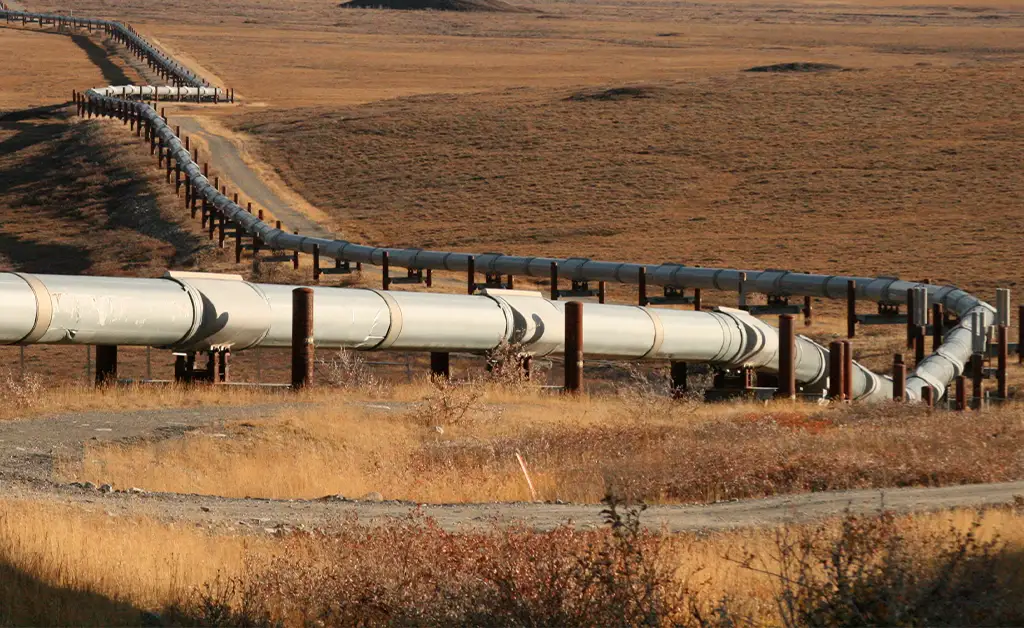
One of the oldest dreams in Caspian energy is stirring back to life. For more than twenty five years, planners have imagined a pipeline running beneath the Caspian Sea to carry natural gas from Turkmenistan to Azerbaijan and onward to Europe. In 2026 the idea gained fresh momentum, driven by shifting geopolitics and renewed interest from the United States.
A Decades Old Idea Returns
The proposed Trans Caspian pipeline would bridge roughly 280 kilometers of sea between Turkmenistan and Azerbaijan, feeding gas into the Southern Gas Corridor that already links the Caspian to Europe through Türkiye. Turkmenistan holds some of the largest natural gas reserves in the world, yet most of its exports flow east to China. A western route would diversify its customers and give Europe a new source of supply as the continent works to end its dependence on Russian gas by the end of the decade.
Washington Signals Support
American backing became explicit in the spring of 2026. On 29 May, Secretary of State Marco Rubio met Turkmen Foreign Minister Rashid Meredov in Washington and reaffirmed US support for diversifying Turkmen gas exports through the Trans Caspian direction. In early July, the influential retiring senator Steve Daines toured Azerbaijan, Kazakhstan and Turkmenistan, meeting top leaders in each. Analysts read his trip as a sign that Washington is quietly encouraging the project, possibly with an eye toward American investors who could help finance and build the infrastructure.
Türkiye as the Natural Gateway
Türkiye stands at the heart of the plan. Though poor in its own oil and gas, the country has built extensive pipelines and is positioning itself as a regional gas hub that can redirect supplies to Europe and other buyers. Gas piped across the Caspian would almost certainly flow onward through Türkiye, giving Ankara both energy security and lucrative arbitrage opportunities. That makes Türkiye one of the strongest backers of the pipeline alongside the United States, and a crucial link in any route that reaches European markets.
The Pull of the East
Turkmenistan, however, is hedging. In April 2026 Ashgabat signed a multibillion dollar contract with a Chinese company to expand its giant Galkynysh field, adding capacity destined for pipelines heading east. Ashgabat’s policy of permanent neutrality and its caution about offending Moscow have long kept it from committing to a western route. For Turkmenistan the central question remains whether a modest western pipeline is worth the geopolitical risk it would carry.
Obstacles That Remain
Russia and Iran have opposed the project for years, citing the disputed legal status of the Caspian Sea and warning that all five littoral states must agree. Financing is another hurdle, given the cost of laying an undersea line across contested waters. Yet momentum is building. Disruptions to Middle Eastern energy routes in 2026 sharpened Europe’s search for alternative supply, and discussions at Baku Energy Week kept Caspian connectivity in the spotlight. Whether the pipeline finally moves from blueprint to reality may depend on how far Washington is willing to go to make it happen. Because natural gas cannot be shipped as easily as oil, a fixed pipeline is the only cost effective way to move Turkmen supply westward across the sea. For now the project remains a test of whether renewed American diplomacy can finally overcome obstacles that have blocked it for a generation, and whether commercial logic will at last outweigh the politics of the Caspian.
