
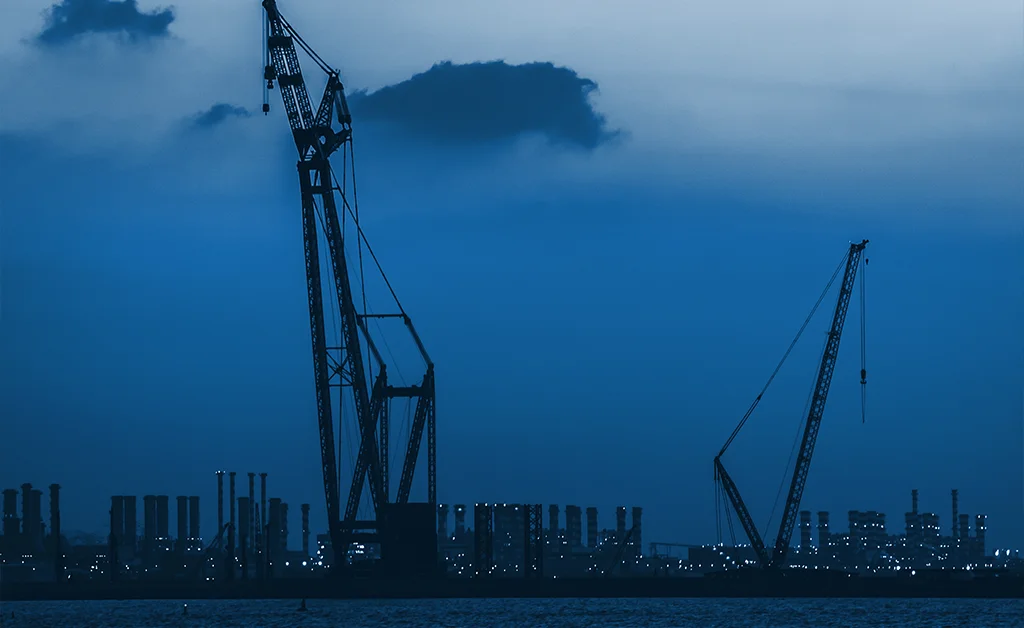
While newer deals in minerals and technology capture attention, the largest single thread of American investment in Central Asia runs through an oil field in the Kazakh desert. The giant Tengiz field, one of the deepest and most productive in the world, has become a cash engine for two American energy majors and a cornerstone of the economic relationship between the United States and Kazakhstan. It is a bond built on decades of shared investment, and it shows how energy still forms the backbone of the partnership even as newer sectors rise around it.
A Supergiant Comes of Age
Tengiz sits near the Caspian Sea in western Kazakhstan and ranks among the largest oil fields on the planet. After a two phase expansion costing close to 48 billion dollars, the project reached completion, lifting the country’s oil production capacity by almost 15 percent to more than 2.2 million barrels per day.
American Majors at the Core
The field is operated by Tengizchevroil, a joint venture in which the American company Chevron holds a 50 percent stake and ExxonMobil owns 25 percent. Kazakhstan’s national company KazMunayGas holds 20 percent, and a subsidiary of Russia’s Lukoil retains 5 percent. That structure places two of the largest American energy firms at the heart of Kazakhstan’s most important industrial project. Kazakhstan accounts for a significant share of Chevron’s global reserve base, close to 11 percent of its proved reserves, underscoring how central the country is to the company’s future.
From Spending to Earning
For years Tengiz absorbed enormous capital as its owners funded the expansion. Now the flow is reversing. The project is shifting from a spending phase to a cash generating asset, and Chevron received a 1 billion dollar loan repayment in the first quarter of 2026, with further repayments expected during the year. Analysts describe the field as a source of large scale, low cost production and rising free cash flow, making it one of the biggest contributors to Chevron’s earnings and shareholder returns for the rest of the decade.
The Question of 2033
A major question now hangs over the partnership. The 40 year Tengiz concession is due to expire in 2033, and the investment community is already asking when negotiations over an extension might begin. Company executives have signaled a desire to prolong their long presence in Kazakhstan, while stressing that any new terms must work for all sides.
How that conversation unfolds will shape the future of American investment in the country. For now, Tengiz stands as proof that the economic bond between Washington and Astana rests on more than fresh headlines. It is anchored in one of the world’s great oil fields, and in the American companies that keep it running. Most of the crude flows to markets in Europe and Asia, adding to the field’s strategic value, and the recent turnaround gives Washington and Astana a shared interest in keeping the venture stable and profitable. Whatever the outcome of the coming talks, Tengiz will remain a defining feature of the economic map linking the two countries.
