
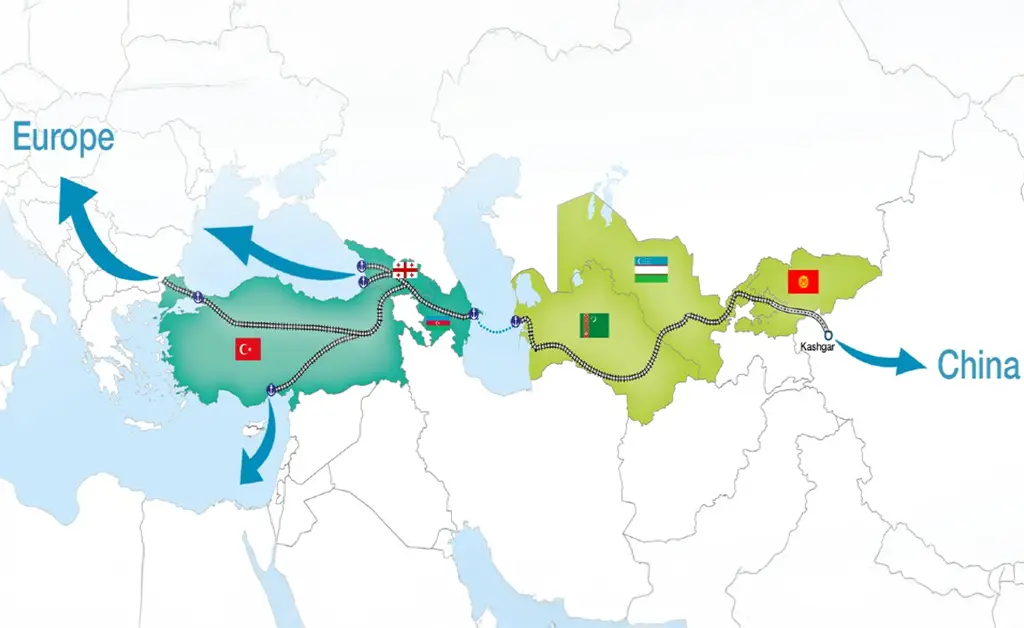
The US Department of Commerce has announced a landmark 2 billion dollar financing package dedicated to the modernization and digitalization of the Trans Caspian International Transport Route. This move for the Middle Corridor signals a definitive shift in the geography of global trade.
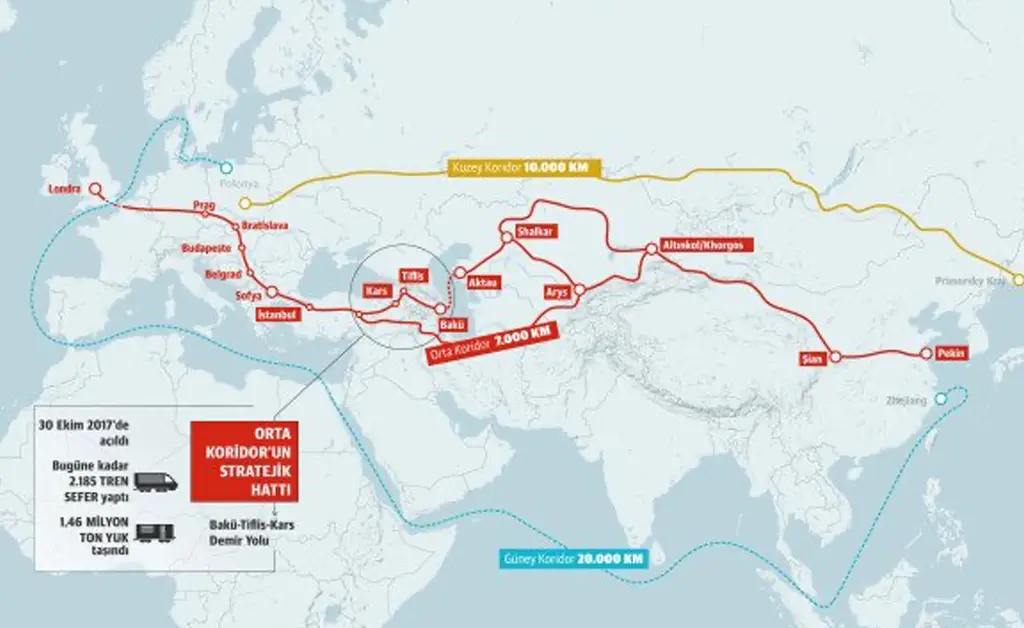
Strengthening the Turkic Trade Link: Washington’s Infrastructure Gambit
By prioritizing the Middle Corridor which connects Kazakhstan and Azerbaijan to Europe via Turkey, the United States is making a bold statement about the future of East West connectivity. This 2 billion dollar investment is designed to upgrade aging railway infrastructure and expand high capacity logistics hubs across Central Asia and the Caucasus. The primary goal is to establish a faster and more technologically advanced alternative to the traditional Northern Corridor.
Key Components of the Investment
The funding focuses on digitalization and smart borders through the implementation of cutting edge customs software and AI driven tracking to slash transit times. It also includes direct financing for modernizing locomotive fleets and expanding terminal capacities in critical Caspian Sea ports. Furthermore, the plan provides training to ensure regional logistics operators meet international standards.
Geopolitical Implications: Bypassing Regional Bottlenecks
For geopolitical analysts, this move is about much more than just shipping containers. It represents a strategic effort by Washington to reduce global reliance on Russian transit routes while anchoring the Turkic Republics more firmly within the Western economic orbit. Turkey stands at the heart of this transformation as the natural gateway between the Caspian region and the European market.
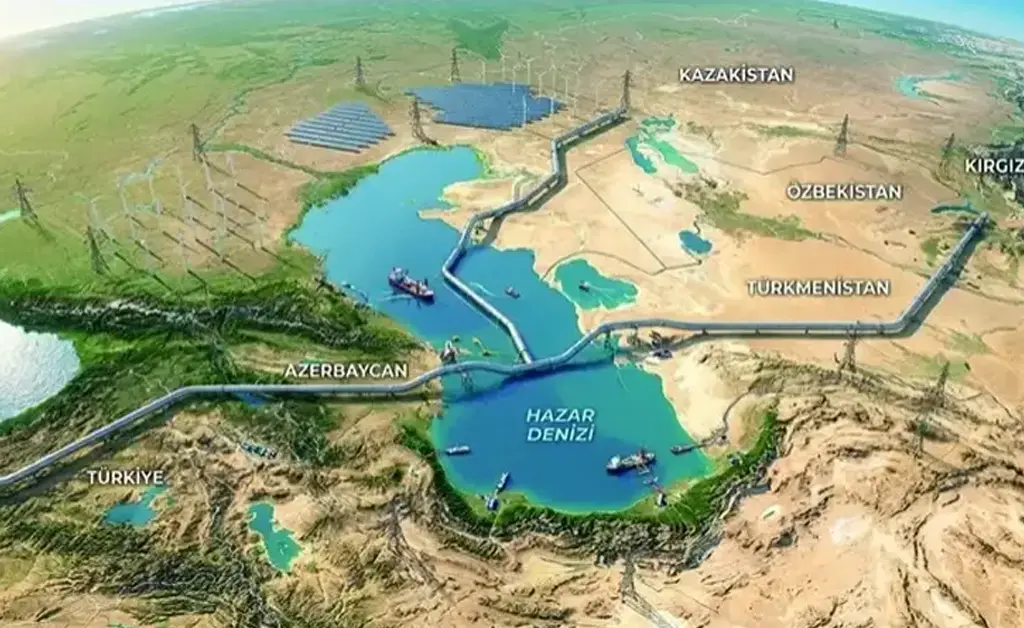
A New Era for Turkic American Economic Cooperation
Industry experts predict that this federal commitment will serve as a massive signal for the private sector to invest. With Washington backing the corridor, private equity and global logistics giants are expected to pour additional billions into the region. By the end of 2026, shipping goods from Central Asia to Europe could see time reductions of up to 25 percent, fostering a more integrated regional economy.
