
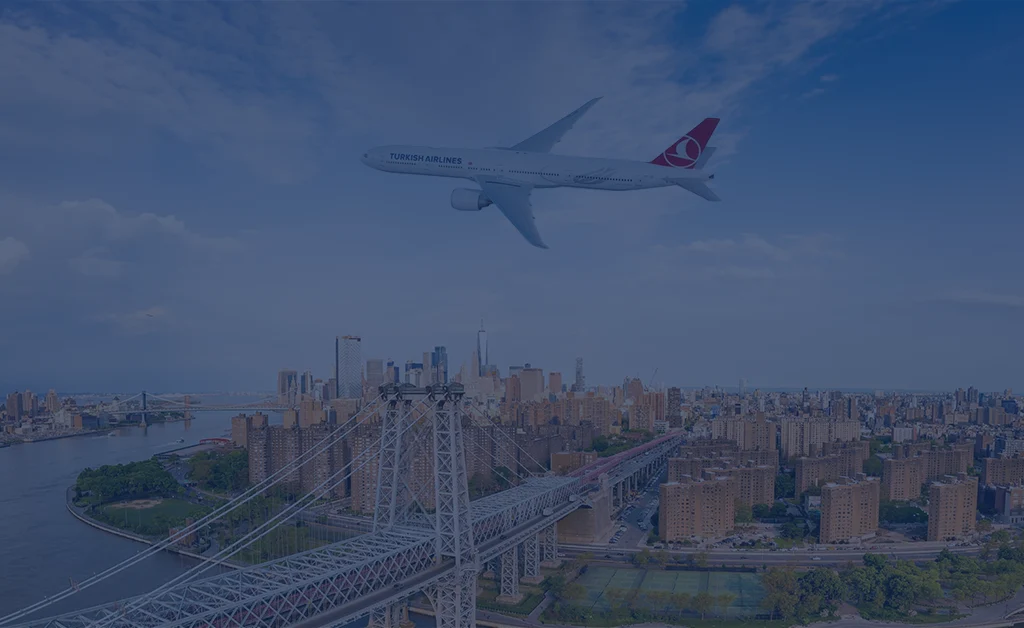
One of the largest single transactions in the history of Türkiye United States commerce did not involve oil, steel or minerals. It involved aircraft. Turkish Airlines finalized an agreement with Boeing for up to 225 jets, a purchase valued at roughly $30 billion that the US Department of Commerce says will support more than 123,000 American jobs across every state.
A Landmark Aviation Deal
Under the agreement, the Turkish flag carrier placed a firm order for up to 75 Boeing 787 Dreamliner widebody aircraft and announced its intent to purchase as many as 150 additional 737 MAX narrowbody jets. The Dreamliner order covers a mix of models designed for long haul routes, while the 737 MAX fleet would serve growth across Europe, the Middle East and Central Asia.
Jobs Across Fifty States
American officials were quick to frame the transaction as a domestic economic win. The International Trade Administration described it as a historic commercial agreement that will strengthen manufacturing employment nationwide. Boeing, which has faced pressure in the commercial market in recent years, gains a substantial boost to its order book and a marquee international customer at a moment when large widebody commitments are rare. The company confirmed that the Dreamliner portion alone represents one of its most significant international sales of the year, and a welcome vote of confidence from one of the fastest growing carriers in the world.
Aircraft as Diplomacy
The purchase carries meaning far beyond fleet planning. Turkish Airlines is 49 percent owned by the Türkiye Wealth Fund, which allows Ankara to claim clear national benefit while using the order as leverage in broader talks. Those talks include Türkiye’s long sought return to the F35 fighter jet program and the easing of sanctions tied to its earlier purchase of Russian air defense systems. Reports around the deal also linked it to possible Lockheed Martin F16 sales. In this sense the order functions as statecraft written in metal, signaling that Ankara is serious about realigning parts of its economy toward American suppliers.
What Comes Next
Turkish Airlines is pursuing an ambitious plan to operate around 800 aircraft by 2033, and the Boeing commitment sits alongside a major Airbus order placed in late 2023. The dual sourcing strategy keeps leverage with both manufacturers while modernizing an aging fleet, and the new Dreamliners are expected to replace older widebody jets on routes across Africa, the Americas and Asia. Expanded capacity also feeds Türkiye’s booming tourism sector by opening new long haul connections. The order also strengthens a supplier network that stretches across dozens of American states, from engines and avionics to interior components and maintenance services, and industry observers expect the first deliveries to be staggered over several years while both sides resolve the remaining engine and financing details. For the Türkiye United States trade balance, the aviation deal is a rare and visible counterweight, one that channels billions of dollars back into American factories even as Ankara works to close its overall trade gap with Washington.
