
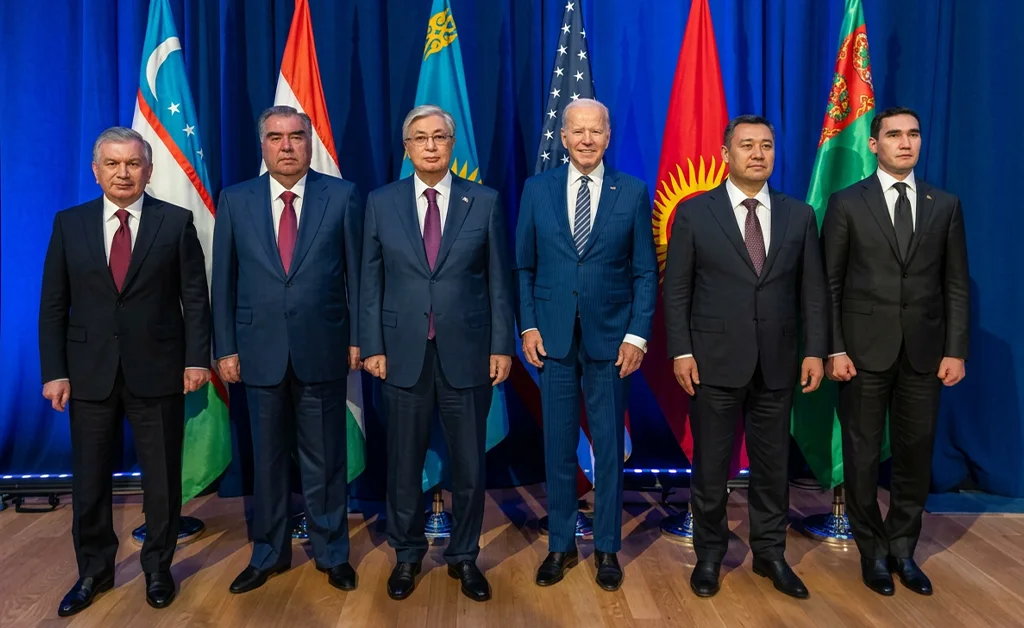
In a decisive move to secure future industrial supply chains, the United States administration has officially unveiled a high-stakes strategic partnership with Central Asian nations. Designed to bypass traditional bottlenecks and reduce heavy reliance on foreign monopolies, this fresh diplomatic and economic initiative focuses heavily on rare earth elements and critical minerals. As global demand for advanced manufacturing, green energy technologies, and defense infrastructure skyrockets, Washington is positioning Central Asia—and Kazakhstan in particular—as an indispensable anchor for Western industrial security.
Breaking the Monopoly on Critical Minerals
For decades, global markets for rare earths and critical minerals have been heavily concentrated, leaving Western economies vulnerable to supply disruptions and geopolitical leverage. To counteract this vulnerability, the latest diplomatic push aims to seamlessly integrate Kazakhstan’s vast, largely untapped mineral wealth directly into American and allied industrial supply chains.
Industry analysts point out that Kazakhstan holds some of the world’s largest reserves of essential minerals, including uranium, lithium, titanium, and various rare earth elements. By fostering direct trade agreements, technical cooperation, and joint extraction ventures, the initiative seeks to establish resilient, transparent, and diversified alternatives to China’s dominant processing hubs.
“Securing a steady, reliable flow of critical minerals is no longer just an economic objective; it is a fundamental pillar of national security,” noted a senior trade policy analyst based in Washington. “This partnership represents a structural shift, creating a trusted corridor for the raw materials that will power the next century of technological innovation.”
Diplomatic Engagement and Economic Incentives
The new push goes beyond simple resource extraction. Washington is deploying a comprehensive suite of economic incentives, diplomatic backing, and technical assistance programs to help Central Asian partners modernize their mining infrastructure. Environmental, social, and governance (ESG) standards are taking center stage, ensuring that resource development in the region adheres to modern sustainability guidelines while maximizing local economic value.
Instead of merely exporting raw ore, the collaborative framework encourages regional value-addition, including local processing and refining initiatives. This approach is designed to benefit Central Asian economies by fostering high-skilled job creation, technology transfer, and sustainable industrial growth, aligning local development goals with Western supply chain security.
A New Chapter for Global Trade Resilience
As implementation gets underway, international markets are already responding to the realignment. Global manufacturers reliant on stable inputs for electric vehicles, wind turbines, and advanced electronics view the US-Central Asia mineral corridor as a vital safeguard against future trade shocks.
Moving forward, upcoming bilateral summits and trade forums are expected to finalize specific logistical frameworks, investment guarantees, and transit corridors. By cementing these ties today, the United States and its Central Asian partners are laying the groundwork for a more balanced, secure, and resilient global economy.
