
Uzbekistan spent decades as one of the most closed economies in the region, a place where foreign investors struggled to find a way in. In 2026 that image is changing fast. A push to join the World Trade Organization, a credit ratings upgrade and a record breaking share listing in London are combining to open the country’s markets to American and global capital as never before. The transformation is remarkable for an economy that only a decade ago tightly controlled its currency and kept most foreign buyers at arm’s length.
Closing In on the WTO
The recent trade opening with the United States settled terms for trade in goods and services, but it did not complete the larger prize that Tashkent is chasing. Uzbekistan is working to finish its accession to the World Trade Organization, a step that would place its trade policy under a common set of global rules and give its exporters access to the organization’s dispute system. Officials now aim to secure full membership by the end of 2026. Negotiations reach well beyond tariffs into subsidies, state owned companies, product standards and intellectual property, and the chief negotiator has said transition periods of three to eight years were discussed for some sensitive sectors.
A Vote of Confidence From the Markets
The country’s reform record is winning recognition from the financial world. Moody’s raised Uzbekistan’s sovereign rating, citing stronger institutions, firmer fiscal policy and more diverse growth. The agency pointed to energy reforms that reduced subsidies and moved electricity and gas prices closer to full cost recovery, and it noted better control of the liabilities that can land on the state balance sheet. The economic figures support the optimism, with the economy growing 7.7 percent in 2025, one of the fastest rates in the region. A higher rating lowers the cost of borrowing for the government and its companies, which in turn frees money for investment and makes Uzbek bonds more attractive to foreign funds.
The Largest London Listing of the Year
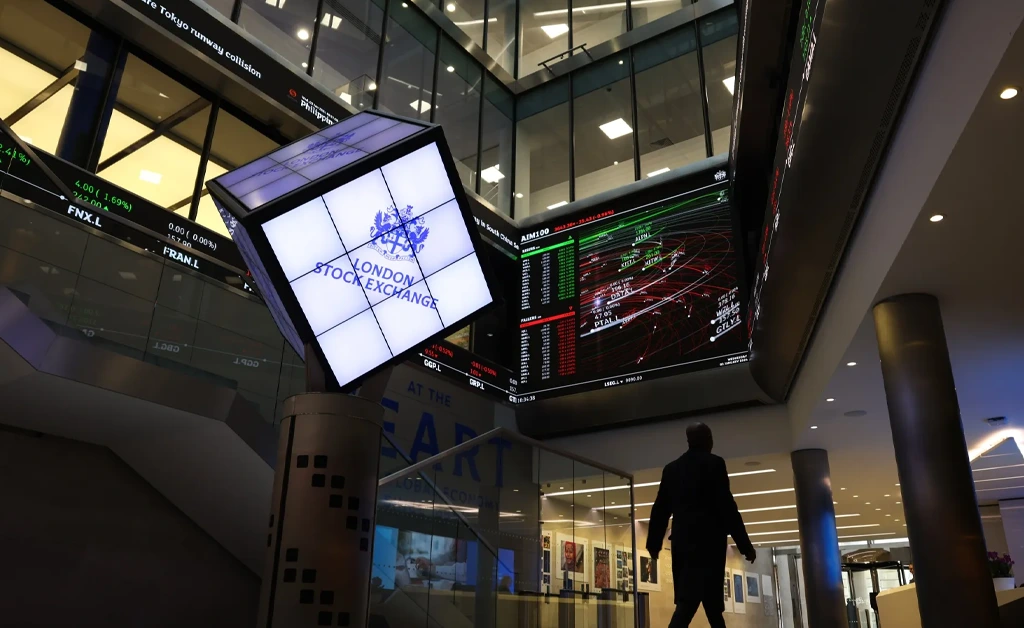
Perhaps the clearest signal came from the capital markets. In May 2026 the country’s National Investment Fund, managed by the American firm Franklin Templeton, listed in London and raised 604 million dollars against some 2.8 billion dollars in orders. It was the largest London public offering of the year, a striking outcome for a market that outside investors could barely access a few years ago. The fund offers a way for global investors to buy into a basket of Uzbek assets, and its strong reception suggested real appetite for the story.
A Historic Privatization Pipeline
Behind these milestones lies one of the most significant privatization programs in emerging markets today. Uzbekistan is bringing major state owned companies to public markets for the first time, offering assets that have simply never been available to outside buyers. International fund managers who toured the region in 2026 came away describing the country as an opportunity that can no longer be watched from a distance.
For American investors and asset managers, the combination is compelling. A clearer rulebook through the World Trade Organization, an improving credit profile and a steady flow of new listings together lower the barriers that once kept capital away. Uzbekistan still has work to do, and reform is never a straight line, but the march toward investment grade credibility is well underway.
