
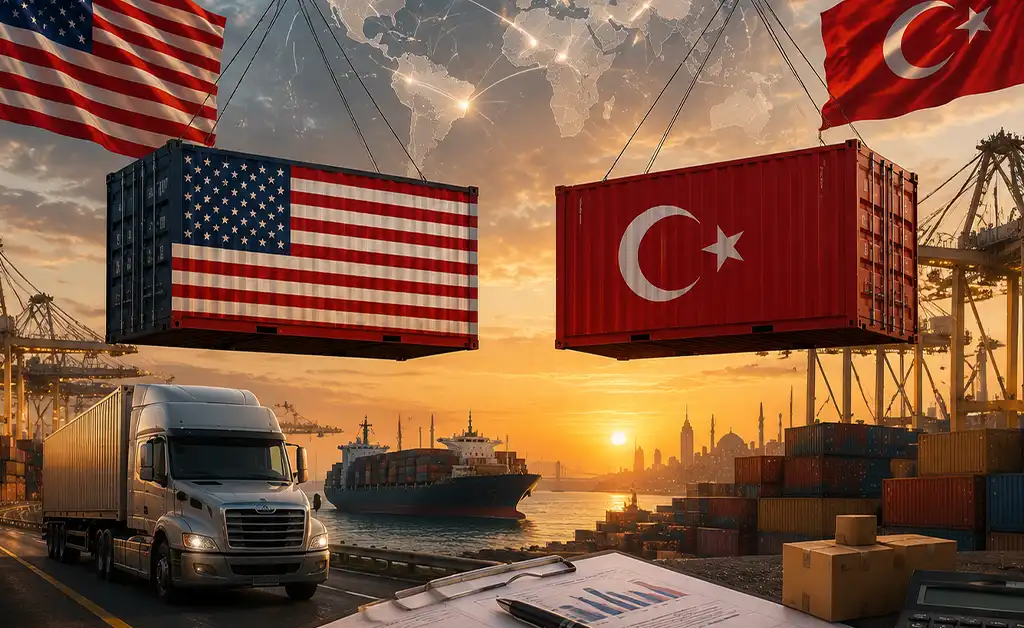
The American trade landscape has experienced a notable adjustment following the introduction of new tariff measures aimed at Turkish goods. With a 12.5 percent levy implemented under the forced labor trade action and a 25 percent tariff applied to steel imports, companies that rely on these supply lines are facing a complex operational puzzle. These measures have immediate cost implications for importers, prompting a rapid reassessment of sourcing strategies and procurement budgets.
Navigating the US tariffs on Turkey 2026 impact requires a dual approach of cost containment and supply chain diversification. Many American firms are now looking toward other Turkic states as viable alternatives for sourcing goods that were previously concentrated in Türkiye. This shift is not just about avoiding tariffs but about building more resilient and diverse networks that can withstand future regulatory changes. The goal is to move from a single point of failure to a distributed model that leverages the comparative advantages of countries across Central Asia.
For those in the steel and industrial sectors, the 25 percent tariff on Turkish steel has been particularly disruptive. Importers are now being forced to identify new suppliers while managing the increased cost of current inventory. As part of a broader strategy, businesses are exploring sourcing alternatives Turkic states to fill the gaps left by reduced Turkish participation. This involves evaluating the manufacturing capabilities of regions that are increasingly linked via the Middle Corridor, which offers a reliable path for the transport of goods from Central Asia to global markets.
However, importers should proceed with caution. The forced labor tariff Turkey regulations require strict compliance and detailed documentation to ensure that goods do not originate from restricted areas or utilize prohibited labor practices. Establishing trust with new suppliers in the region will take time, and due diligence must be a central pillar of any new procurement strategy.
Ultimately, these tariff changes act as a catalyst for modernization. By forcing firms to look beyond their traditional supply chains, the new trade regime is encouraging the development of more robust procurement networks. For businesses that can successfully transition to these new sources, the long term benefits will include greater supply chain security and reduced exposure to localized political and regulatory risks. While the short term environment is challenging, the strategic pivot toward diverse sources in the broader Turkic market is a necessary step for sustainable operation in the current climate.
