
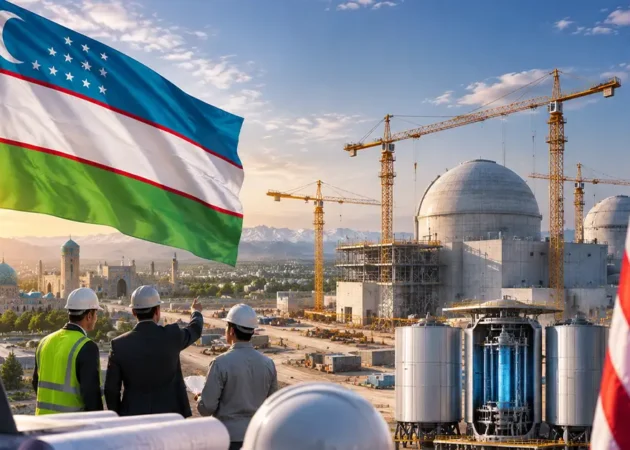
The absence that made the news When President Shavkat Mirziyoyev set out the state of Uzbekistan’s nuclear power programme on 2 September, Rosatom — the Russian state corporation that has been the project’s presumed builder — did not appear in the statement. In its place came the announcement of a […]
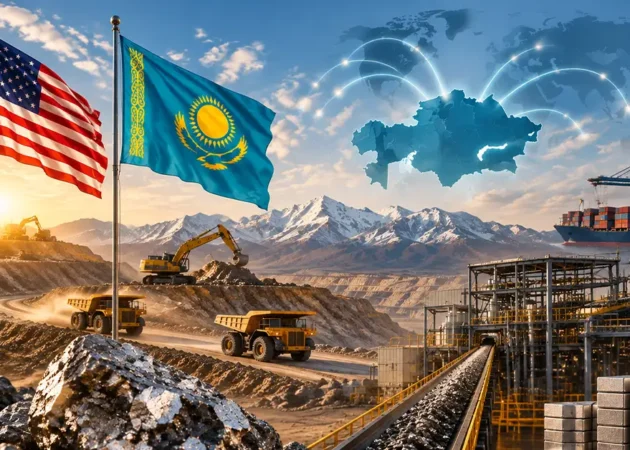
Inside the $1.1 Billion Tungsten Deal: How Cove Capital and Tau-Ken Samruk Are Building a Non-Chinese Supply Chain in Kazakhstan
The project, in numbers For the first time, the financial and structural detail of America’s tungsten play in Kazakhstan has been published in one place. Cove Capital holds 70 per cent and the state holding company Tau-Ken Samruk holds 30 per cent of a $1.1 billion project developing the Severny […]
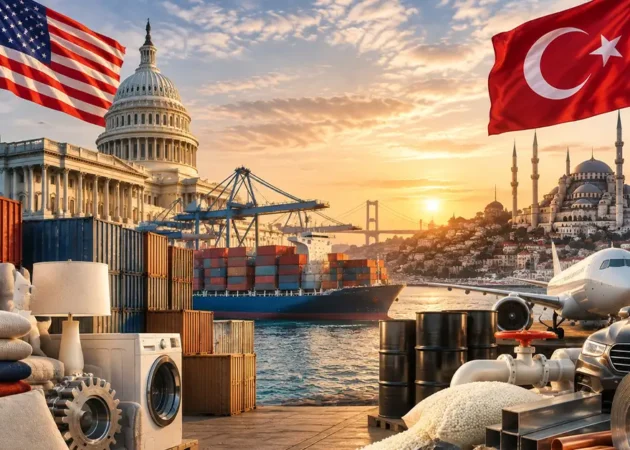
One Turkic Market, Three Washington Doctrines: Reading the 12.5% Duty Against the $100 Billion Target
Washington is penalising Ankara over forced-labour enforcement, courting Tashkent with an early-harvest trade package, and leaving Baku, Bishkek and Ashgabat alone entirely. The inconsistency is not noise. It is a map of how bilateral leverage is now earned — and it tells Turkish exporters exactly where the opening is. The […]
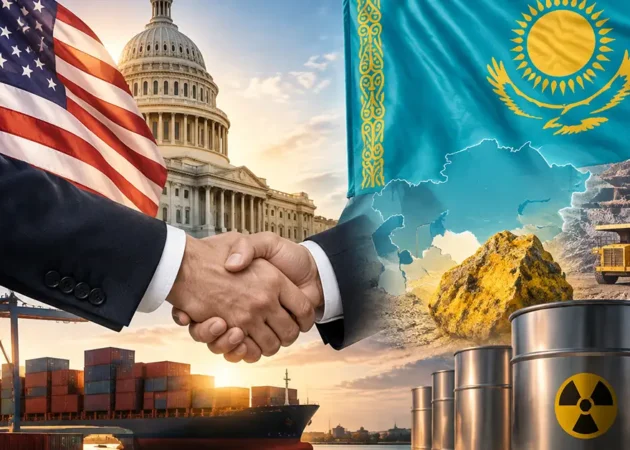
Congress Just Made the Case for Ending Jackson-Vanik for Kazakhstan — What It Means for US Exporters
A hearing that shifted the tone On 2 September, the US House of Representatives convened a hearing on critical minerals with Kazakhstan squarely at its centre. The witness list was unusually heavyweight for a regional session: John Herbst of the Atlantic Council, Daniel Runde and Gracelin Baskaran of the Center […]
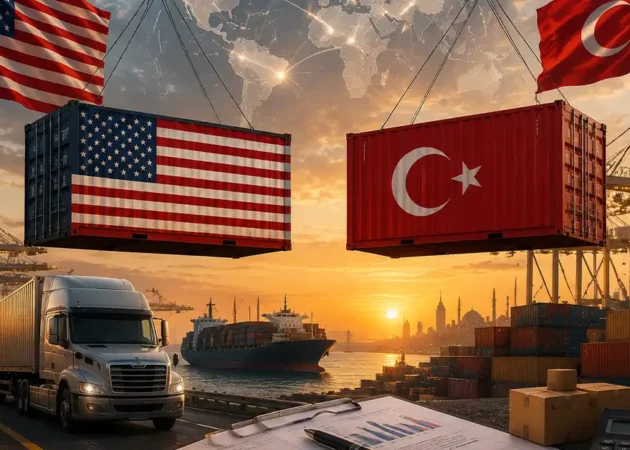
Before You Place the Next Order: The Türkiye Duty Stack — and Where the Rest of the Turkic World Now Sits
Since 24 July 2026 most Türkiye-origin goods carry an extra 12.5% at the U.S. border. Kazakhstan carries exactly the same. Azerbaijan, Uzbekistan, Kyrgyzstan and Turkmenistan carry none at all. Here is what to verify before the next purchase order goes out. What actually changed on 24 July The Office of […]
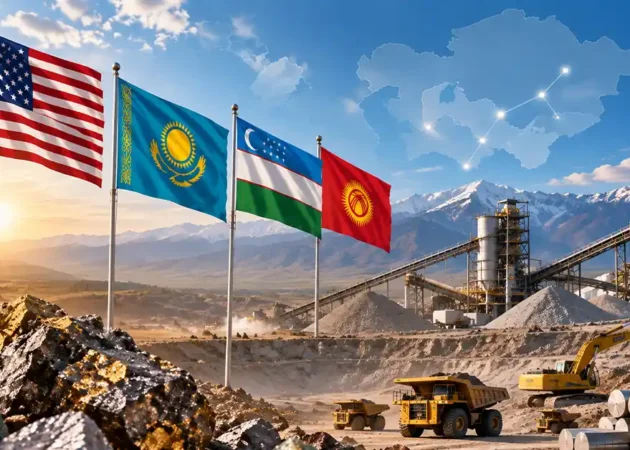
Tungsten, Uranium, and $700 Million: How DFC and EXIM Are Financing Central Asia’s Minerals Buildout
The United States is actively executing a long-term economic strategy to secure and diversify its critical mineral supply chains, moving away from monopolistic, single-source dependencies. This strategy has led to the development of an “allied critical mineral economy” architecture, which formally positions Central Asian nations—such as Kazakhstan and Uzbekistan—as key […]
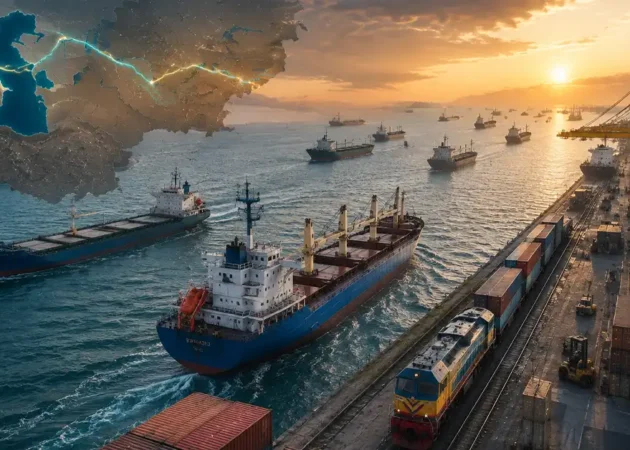
Middle Corridor by the Numbers: 77,000 TEU, 12-Hour Ferries, and the Bottlenecks That Remain
As geopolitical volatility and security crises continue to disrupt traditional maritime routes through the Suez Canal and Northern Eurasian rail corridors, the Trans-Caspian International Transport Route (TITR), widely known as the Middle Corridor, has emerged as a vital multimodal link between Asia and Europe. However, achieving maximum efficiency along this […]
Azerbaijan’s New Fast-Track Investment Commission: A Practical Guide for U.S. Investors
Azerbaijan is undergoing a profound economic transformation, aggressively diversifying its economy away from traditional fossil fuels toward a sustainable, multi-sector investment model. According to official macroeconomic indicators, foreign direct investment in the country’s non-oil-and-gas sector reached 7.4 billion manats (approximately $4.355 billion) during the January-July 2026 period, representing a real […]
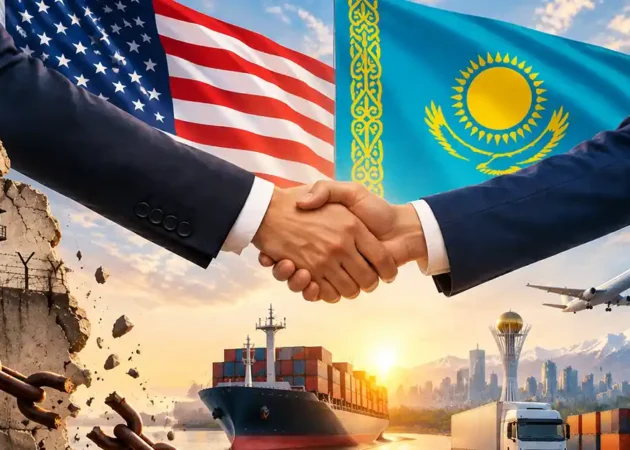
H.R. 1024 Explained: What Ending Jackson-Vanik Would Actually Change for U.S. Exporters to Kazakhstan
A high-level bipartisan United States Congressional delegation, led by Ways and Means Committee Chairman Jason Smith and featuring representatives Greg Murphy, Carol Miller, Ronny Jackson, Wesley Bell, and Ed Case, recently concluded a landmark visit to Astana. The discussions concentrated on crucial pillars of bilateral co-operation, including trade modernisation, energy security, […]
The Middle Corridor Ship Shortage Can the Caspian Fleet Keep Up With 10 Million Tonnes by 2027?
The ambition to move 10 million tonnes of cargo through the Middle Corridor by 2027 is a powerful vision, but the current reality of the Caspian fleet paints a more nuanced picture. While regional governments are making significant strides in modernizing rail lines and terminals, the actual maritime capacity remains […]